


Chưa được phân loại
Raising Voices The Global Protest Against Human Rights Violations 1512826801
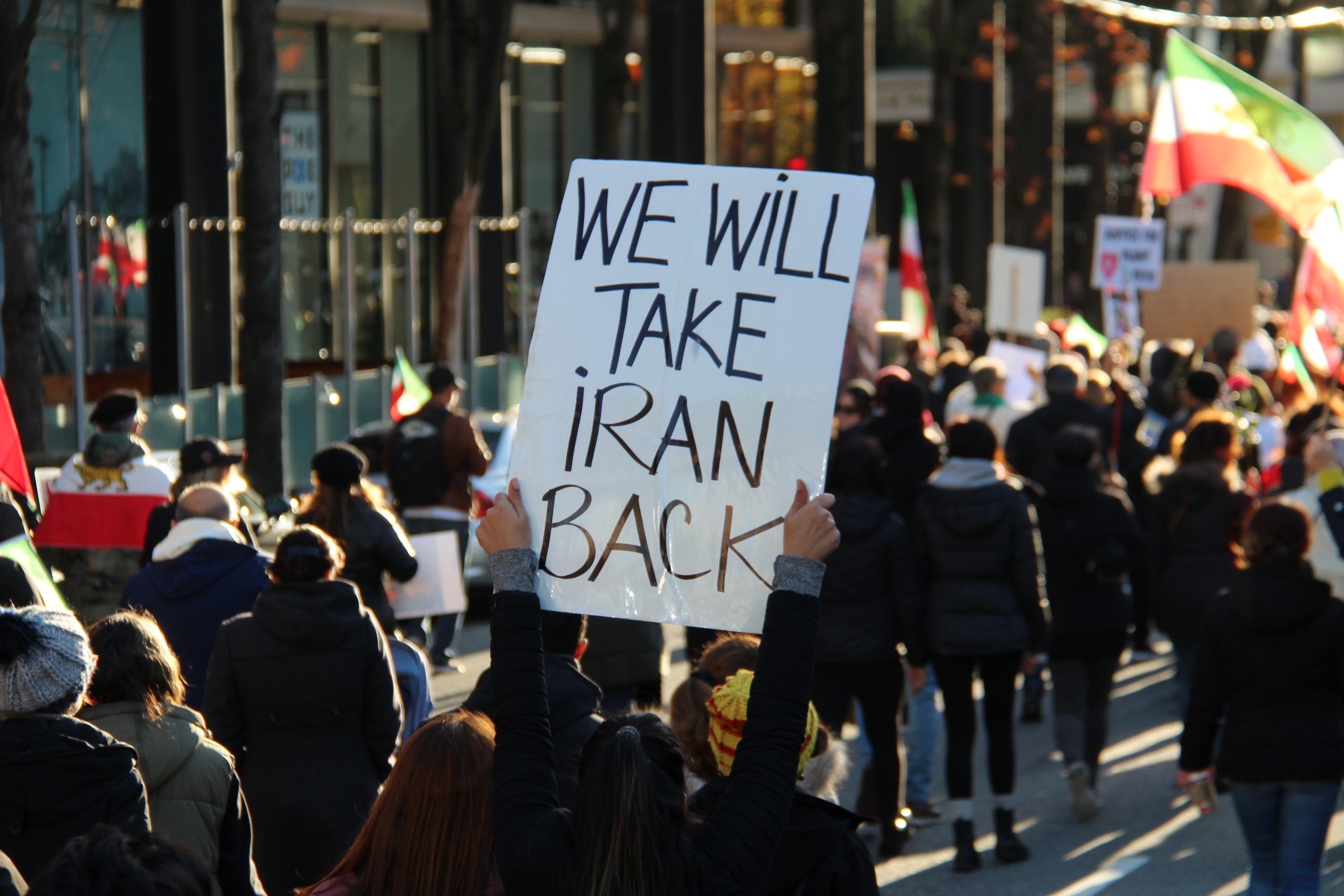
Raising Voices: The Global Protest Against Human Rights Violations
Throughout history, protests have served as a powerful means of expressing dissent and demanding justice. These movements are often sparked by human rights violations, with activists rallying to advocate for the fundamental rights and freedoms that every individual deserves. From the civil rights movement in the United States to the Arab Spring in the Middle East, the quest for human dignity has galvanized millions to take to the streets. This article delves into the importance of the protest against human rights violations, examining its roots, achievements, and ongoing struggles.
The Historical Context of Protests
The struggle for human rights is not a new phenomenon. It can be traced back to ancient civilizations, where philosophers like Socrates and Confucius discussed the importance of ethics and morality in governance. However, modern human rights activism gained momentum in the 20th century, particularly in the aftermath of World Wars I and II. The establishment of the United Nations and the Universal Declaration of Human Rights in 1948 marked a pivotal moment, setting a global standard for human rights.
Protests began to emerge as a significant method for challenging injustices and demanding accountability from those in power. The civil rights movement in the U.S. during the 1950s and 1960s is one of the most notable examples. Activists, including Martin Luther King Jr., organized marches, sit-ins, and boycotts to challenge systemic racism and discrimination. This movement not only brought about legislative change but also inspired countless other movements worldwide.
Contemporary Protests and Their Impact
In contemporary society, protests continue to play a crucial role in advocating for human rights. The Global Climate Strike, Black Lives Matter, and the Me Too movement are just a few examples of how collective action can raise awareness about human rights violations. Each of these movements highlights specific issues—environmental justice, racial inequality, and gender-based violence—that affect marginalized communities across the globe.
Social media has transformed the landscape of activism, allowing for rapid dissemination of information and mobilization of supporters. Campaigns can gain traction in a matter of hours, with hashtags becoming rallying cries for justice. This digital engagement complements traditional protests, giving rise to hybrid forms of activism that are increasingly relevant in today’s globalized world.
The Role of Legal Frameworks
While protests are essential for driving change, they often rely on sound legal frameworks to protect the rights of demonstrators and hold violators accountable. Understanding legal tools is crucial for activists. Empowering individuals with knowledge about their rights enhances their ability to protest effectively and safely. Various organizations provide resources and legal support to activists, helping them navigate the complexities of law during protests.
Moreover, international human rights laws establish standards for treatment by governments. Instruments such as the International Covenant on Civil and Political Rights (ICCPR) compel nations to uphold fundamental human rights. However, enforcement remains a challenge, necessitating continuous protest and advocacy to push for compliance and accountability.
Challenges Faced by Protesters
Despite the noble intentions behind protests, activists frequently face significant challenges. In many countries, governments respond to protests with repression, using force to silence dissent. Protesters may encounter violence, arrest, or even disappearances, particularly in authoritarian regimes. This highlights the inherent risks involved in standing up for human rights; it isn’t just about demanding change but also about ensuring personal safety and security.
Furthermore, misinformation can undermine the credibility of movements, with detractors seeking to discredit protests by portraying them as violent or unjustified. Maintaining unity and a clear message is essential for activists to counteract these narratives and sustain momentum.
The Power of Solidarity
One of the most vital aspects of the fight against human rights violations is the sense of solidarity among diverse groups. Whether local or global, movements often cross borders, with activists learning from each other’s experiences and strategies. This interconnectedness fosters resilience and strength, enabling movements to evolve and adapt to changing contexts.
International solidarity has been demonstrated through global rallies and coordinated actions, emphasizing shared struggles regardless of geographical location. Such efforts showcase the universality of human rights and reinforce the idea that justice transcends borders.
Looking Forward: The Future of Human Rights Protests
As we navigate an increasingly complex global landscape, the future of human rights protests remains a critical area for engagement. The need for continued vigilance against violations cannot be overstated. Activists must remain adaptable, harnessing new technologies and strategies to address emerging challenges.
Education plays a crucial role in equipping individuals with the tools to recognize and challenge injustices. Comprehensive human rights education can empower future generations to stand against tyranny and advocate for a more just world. Furthermore, collaboration among different movements can amplify voices and broaden the reach of protests, ensuring that no issue remains isolated.
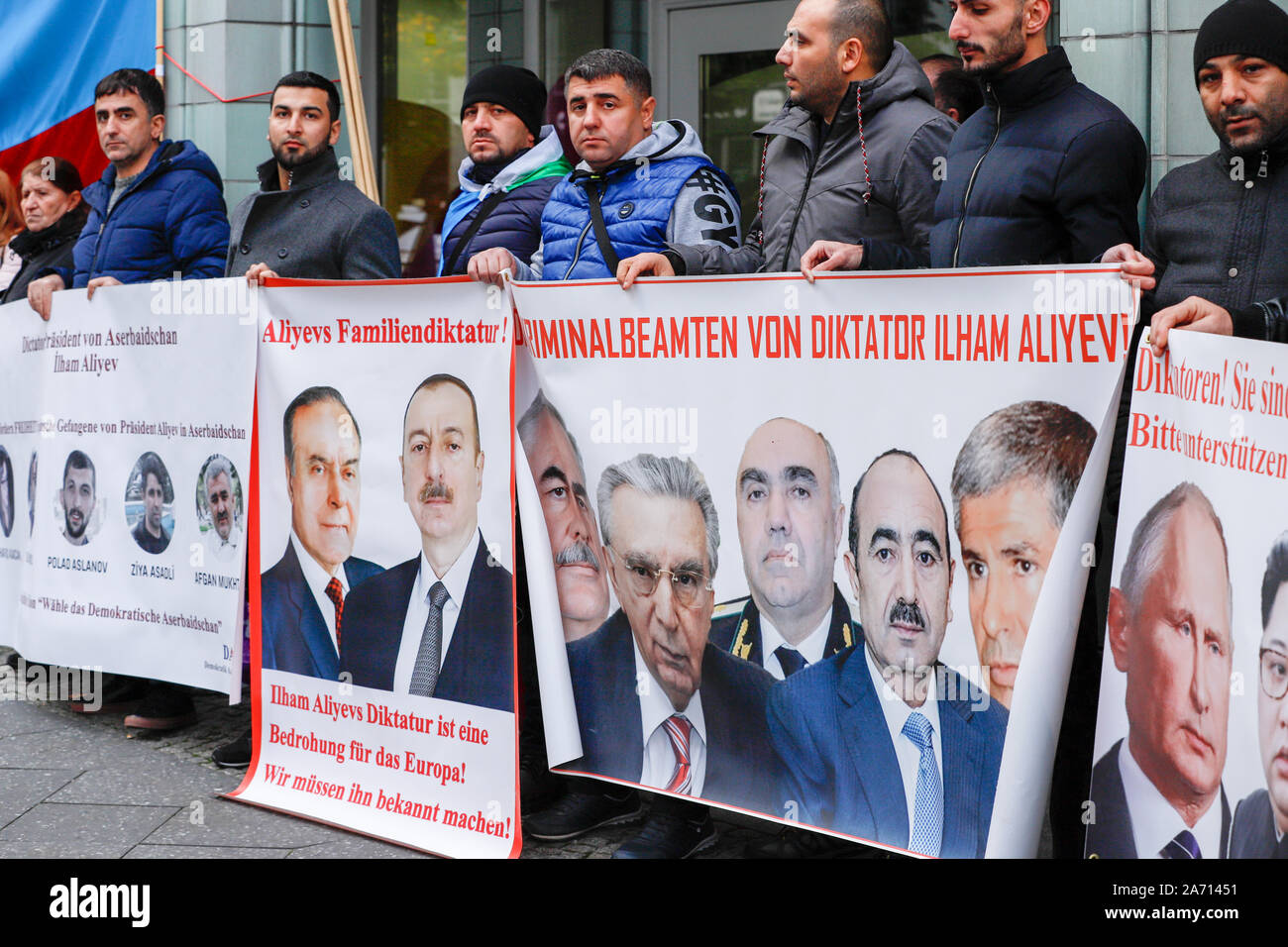
Conclusion
The fight against human rights violations is ongoing, requiring a collective commitment to justice, equality, and dignity for all. Protests have proven to be a vital tool for change, influencing policies and shifting societal attitudes towards human rights. As advocates continue to raise their voices, it is crucial to support their efforts through legal frameworks, international collaboration, and grassroots mobilization. By standing together, we can strive towards a world where human rights are respected and upheld for every individual, forging a future that honors our shared humanity.


