


trading11
Global Forex Trading Strategies, Trends, and Insights 1955217704
Global Forex Trading: Understanding the Marketplace
The foreign exchange market, or forex market, is a global decentralized market for trading currencies. In this highly dynamic financial marketplace, currencies are bought, sold, and exchanged at current or determined prices—allowing participants to capitalize on their fluctuations. For many traders worldwide, global forex trading Crypto Trading App plays a pivotal role, enabling easy access to trading tools and insights. Understanding the global forex trading landscape is crucial for anyone looking to participate in this exciting and complex financial arena.
What is Forex Trading?
Forex trading involves exchanging one currency for another, typically using a broker or financial institution as an intermediary. The forex market is the largest and most liquid financial market globally, with an average daily trading volume exceeding $6 trillion. Currencies are traded in pairs—such as the Euro against the US Dollar (EUR/USD)—with fluctuating exchange rates reflecting economic conditions, geopolitical stability, and market sentiment.
The Structure of the Forex Market
The forex market is structured around a network of banks, financial institutions, corporations, and individual traders. It is operated on a 24-hour basis, five days a week, with trading sessions typically divided into the Asian, European, and North American sessions. This round-the-clock nature allows traders in different time zones to participate at various times, ensuring that price movements can occur at any moment.
The Role of Currency Pairs
In forex trading, currencies are always quoted in pairs. Each currency pair consists of a base currency and a quote currency, signifying how much of the quote currency is needed to purchase one unit of the base currency. The most commonly traded currency pairs include major pairs like USD/EUR, USD/JPY, and GBP/USD, along with minor and exotic pairs. The choice of currency pairs can greatly influence trading strategies and outcomes.
Market Participants
The forex market comprises various participants, each with different motivations for trading. These include:
- Central Banks: Governments and their central banks play a crucial role in the forex market by influencing currency values through monetary policy.
- Banks and Financial Institutions: Large financial institutions engage in trading to facilitate client transactions and for proprietary trading.
- Corporations: Businesses involved in international trade use forex to hedge against currency fluctuations.
- Retail Traders: Individual traders who engage in the forex market using online trading platforms to speculate on currency movements.
Market Trends and Analysis
Due to its volatility, the forex market requires effective analysis techniques for success. There are two primary methods used:
Fundamental Analysis
Fundamental analysis involves assessing economic indicators, interest rates, and geopolitical events to determine the currency’s value. Traders often analyze data such as Gross Domestic Product (GDP), employment figures, inflation rates, and central bank policy statements to predict future price movements.
Technical Analysis
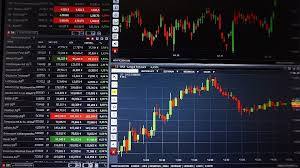
Technical analysis, on the other hand, relies on chart patterns and technical indicators to make predictions. Traders use various tools like moving averages, Relative Strength Index (RSI), and Fibonacci retracement levels to identify trends and potential reversal points.
Developing a Trading Strategy
A well-defined trading strategy is crucial for success in forex trading. Traders should consider factors such as their risk tolerance, outline entry and exit points, and determine position sizes. Common trading strategies include:
- Day Trading: Involves making multiple trades throughout the day to capitalize on short-term market movements.
- Swing Trading: Focuses on capturing price swings in the market over days or weeks.
- Scalping: A strategy that involves making small profits from numerous trades within a short timeframe.
The Impact of Technology on Forex Trading
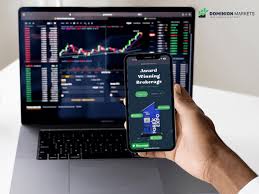
Advancements in technology have revolutionized the forex market. Online trading platforms and mobile applications have made it easier for anyone to participate in currency trading. Access to real-time data, advanced charting tools, and automated trading systems has empowered traders to make informed decisions and execute trades with unprecedented speed and efficiency.
Risks in Forex Trading
Despite its attractiveness, forex trading carries significant risks. Volatility can lead to rapid price changes resulting in substantial gains or losses. Additionally, leverage can amplify losses, as traders may borrow funds to increase their market exposure. It is essential for traders to manage their risk effectively through proper position sizing, employing stop-loss orders, and continuously educating themselves about market conditions.
Conclusion
Global forex trading presents vast opportunities for investors and traders willing to navigate its complexities. By understanding market dynamics, honing analysis skills, and developing solid trading strategies, participants can position themselves for success in this vibrant financial landscape. Continuous learning, practice, and adaptation to changing market conditions are key components for thriving in the world of forex trading.


