


trading14
Forex vs Stocks Which Trading Market is Right for You 1676472735
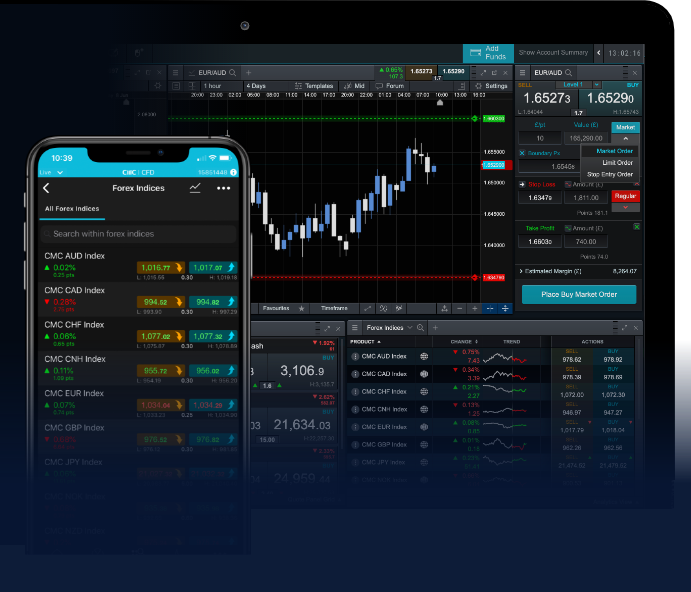
Forex vs Stocks: Which Trading Market is Right for You?
When considering the financial markets for trading, two of the most popular options are Forex (foreign exchange) and stocks. Each market offers unique opportunities and challenges. In this article, we will explore the differences, advantages, and disadvantages of trading Forex and stocks, helping you make an informed decision regarding your trading journey. If you are interested in learning more about trading, visit trading forex vs stocks Trading PH for valuable insights.
What is Forex Trading?
Forex trading involves buying and selling currencies on the foreign exchange market. The primary goal of Forex trading is to profit from fluctuations in currency exchange rates. Unlike stocks, where you own a share of a company, in Forex, you are speculating on the value of one currency relative to another.
What is Stock Trading?
Stock trading involves the buying and selling of shares of publicly traded companies. When you buy a stock, you are purchasing a piece of the company, giving you a claim on part of its assets and earnings. Investors typically buy stocks with the expectation that their value will increase over time, allowing them to sell at a profit.
Market Hours
One of the most significant differences between Forex and stock trading is the market hours. The Forex market operates 24 hours a day, five days a week, allowing traders to buy and sell currencies at any time. This flexibility makes Forex appealing to many traders, especially those with full-time jobs.
On the other hand, stock markets have specific trading hours, usually open from 9:30 AM to 4:00 PM EST, depending on the exchange. Some stock exchanges offer after-hours trading, but it is often limited and has lower liquidity than regular trading hours.

Liquidity and Volatility
Forex is known for its high liquidity, meaning that large volumes of currency can be bought and sold without significantly affecting the price. This liquidity is a key advantage for Forex traders, as it allows for quicker execution of trades and reduced spreads (the difference between the buying and selling price).
Stocks can also be liquid, but liquidity varies by stock. Major company stocks (blue-chip stocks) tend to be more liquid than smaller, less-known stocks. Volatility is another important factor; Forex can experience sharp movements in price due to economic news, geopolitical events, and central bank policies, providing both opportunities and risks for traders. Stocks can also be volatile but tend to be less so than Forex.
Leverage
Forex trading typically allows for significantly higher leverage compared to stock trading. Leverage enables traders to control a more substantial position with a smaller amount of capital. For example, a common leverage ratio in Forex is 100:1, meaning you can control $100,000 worth of currency with just $1,000 in your trading account.
In contrast, stock trading often has lower leverage ratios, generally around 2:1 for most retail investors. While leverage can magnify profits, it also increases the risk substantially, as losses can exceed initial investment amounts—especially in the highly volatile Forex market.
Cost of Trading
The cost of trading can differ significantly between Forex and stocks. In Forex, the main trading costs are the spreads, which are typically lower due to the high liquidity. Commissions may also apply depending on the broker.
In stock trading, investors may face commissions and fees for buying and selling shares, although many brokers now offer commission-free trading. However, investors should be wary of other costs, such as account maintenance fees, which can affect overall profitability.
Market Research and Analysis

Both Forex and stock trading require robust research and analysis to make informed decisions. In Forex, traders often analyze economic indicators, interest rates, and geopolitical developments to predict currency movements. Fundamental analysis, technical analysis, and sentiment analysis are crucial tools in Forex trading.
In stock trading, investors typically focus on company fundamentals, industry trends, and economic indicators. Technical analysis is also widely used to identify price patterns and market trends in stocks.
Risk Factors
Both trading markets carry risks, but they differ in nature. Forex trading can lead to rapid losses due to high leverage and market volatility, requiring traders to have strong risk management strategies in place. Additionally, the presence of geopolitical events can cause sudden market shifts.
Stock trading risks usually include company-specific risks, such as poor earnings reports, management issues, and overall market downturns. Diversification across different stocks and sectors can help mitigate risks involved in stock trading.
Which is Right for You?
Deciding between Forex and stock trading depends on several factors, including your trading style, risk tolerance, time commitment, and financial goals. If you prefer flexibility and the ability to trade around the clock, Forex might be a better fit. On the other hand, if you prefer to invest in companies and want to analyze their fundamental growth potential, stocks may be more suitable.
Both markets offer opportunities for profit; however, it’s crucial to educate yourself and practice proper risk management no matter which path you choose. Consider demo accounts, educational resources, and other tools offered by brokers to enhance your trading skills and develop a solid trading strategy.
Conclusion
In summary, Forex and stock trading are both popular choices for traders and investors alike, with their respective advantages and disadvantages. Understanding the fundamental differences between the two markets can help you determine which one aligns with your trading goals and lifestyle. Remember to invest time in research, practice, and to stay informed about market conditions to navigate the trading world successfully.


