


bating9
Effective Forex Trading Practice A Comprehensive Guide
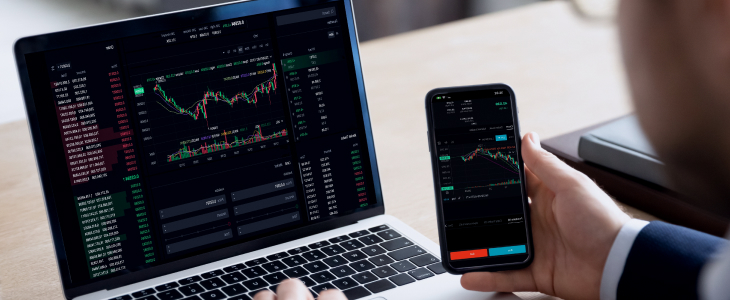
Effective Forex Trading Practice: A Comprehensive Guide
Forex trading practice is essential for anyone looking to succeed in the foreign exchange market. It is a vast, complex field that requires both theoretical knowledge and practical experience. Are you just starting your trading journey, or are you looking to refine your existing skills? This article covers various aspects of forex trading practice, including strategies, tools, and tips to enhance your trading performance. Additionally, you can explore various brokerage options, such as forex trading practice Qatar Brokers, to find the right platform for your needs.
Understanding Forex Trading
Forex trading involves buying and selling currency pairs in order to profit from fluctuations in exchange rates. Unlike stock markets, the forex market operates 24 hours a day, enabling traders to react quickly to global economic events. Understanding how the forex market functions is crucial for developing effective trading strategies. Successful forex traders must focus on several key areas:
- Market Analysis: Fundamental and technical analysis are essential for understanding market trends.
- Risk Management: Developing a robust risk management strategy is crucial to protecting your capital.
- Psychology: Trading psychology plays a significant role in decision-making processes.
The Importance of Practice
Just like any other skill, becoming proficient in forex trading takes time and practice. Aspiring traders should take advantage of demo accounts offered by brokers. These accounts simulate real trading environments without the risk of actual capital loss. Here are some key reasons why practice is important in forex trading:
- Building Confidence: Practicing in a risk-free environment helps traders build confidence in their strategies.
- Understanding Market Dynamics: Practice allows traders to observe how different market conditions affect currency pairs and their trading strategies.
- Refining Techniques: Continuous practice aids traders in refining their analytical techniques and decision-making process.
Choosing the Right Broker
The choice of broker can significantly impact your trading success. Look for brokers that offer competitive spreads, robust trading platforms, and excellent customer service. It’s beneficial to read reviews and evaluate the brokerage’s educational resources, as these can help improve your trading practice. Additionally, comparing broker features such as leverage, margin requirements, and regulatory status is essential for maximizing your trading efficiency.
Essential Strategies for Forex Trading Practice
Incorporating proven trading strategies is vital for achieving consistent results in forex trading. Here are some common strategies that can be effective for practice:
1. Technical Analysis
Technical analysis involves analyzing price charts and making predictions based on historical price movements. Traders use various indicators, such as moving averages and Relative Strength Index (RSI), to identify entry and exit points. Practicing technical analysis helps traders better understand price action and market sentiment.
2. Fundamental Analysis

Fundamental analysis focuses on economic indicators, interest rates, and geopolitical events to inform trading decisions. Keeping abreast of economic news and understanding how these events influence currency prices can help traders make informed decisions.
3. Scalping
Scalping is a trading strategy that involves making small profits from numerous trades throughout the day. This method requires quick decision-making and execution. Practicing scalping can enhance your speed and efficiency in executing trades.
4. Swing Trading
Swing trading involves holding positions for several days to take advantage of expected price movements. This strategy can be beneficial for those who cannot dedicate all their time to day trading. Practicing swing trading allows traders to develop a more patient approach, focusing on longer-term market trends.
The Role of Trading Psychology
Trading psychology is an often overlooked aspect of forex trading. Success in forex requires emotional discipline and the ability to manage stress. Practicing mindfulness and self-awareness helps traders remain calm and focused during market fluctuations. Here are some common psychological challenges traders face:
- Fear and Greed: These emotions can lead to impulsive decisions and significant losses.
- Overtrading: Trading too frequently can lead to losses due to poor decision-making.
- Attachment to Trades: Traders may find it hard to accept losses or close winning trades too early.
Engaging in regular practice can help traders develop a more disciplined approach, making them more resilient to the emotional challenges of trading.
Continuously Learning and Adapting
Forex trading is an ever-evolving field, and staying updated on market trends is crucial for success. Read books, attend webinars, and participate in trading forums to enhance your knowledge and skills. Continuously learning and adapting your strategies to changing market conditions will improve your trading practice significantly.
Conclusion
In conclusion, effective forex trading practice is fundamental to becoming a successful trader. By honing your skills through practice, choosing the right broker, and implementing various trading strategies, you can optimize your chances for success. Remember that trading is not a get-rich-quick scheme; it requires discipline, perseverance, and continuous learning. Whether you are new to trading or looking to upgrade your existing skills, dedicating time to practice will ultimately benefit your trading performance.


